We are a Christian community committed to faithfulness to the Word of God, the continuous reformation of life, and preparation for the return of Christ.
Our Identity
We are a Christian movement that understands faith not as a merely cultural inherited tradition, but as a conscious response to the truth revealed by God.
Our identity is grounded in the conviction that the Bible must remain the sole rule of faith and practice. This means that doctrines, decisions, customs, and paths must be examined in the light of the Scriptures — not merely maintained out of habit, convenience, or collective acceptance.
We do not exist to defend a nominal heritage. We exist to pursue genuine faithfulness.
Foundation
We believe that the Holy Scriptures contain the sufficient revelation of God's will for humanity. In them we find testimony about creation, the fall, redemption, the call to obedience, the formation of character, and the hope of final restoration.
Therefore, we do not treat the Bible as a religious symbol, but as a living authority. It corrects, guides, judges, comforts, clarifies, and leads. Every truth must be proved by it. Every life must be examined by it.
"All Scripture is God-breathed and is useful for teaching, rebuking, correcting and training in righteousness."
2 Timothy 3:16
Name and Conviction
The name does not express an empty aesthetic of rupture, but a spiritual conviction. Reform, for us, means a return to God's will, correction of deviations, abandonment of concessions, and willingness to submit one's entire life to truth.
Throughout Christian history, men and women were called to remain faithful when accommodation seemed easier than obedience. The spirit of reform is born precisely at that point: when faithfulness costs something, but remains necessary.
Historical Origin
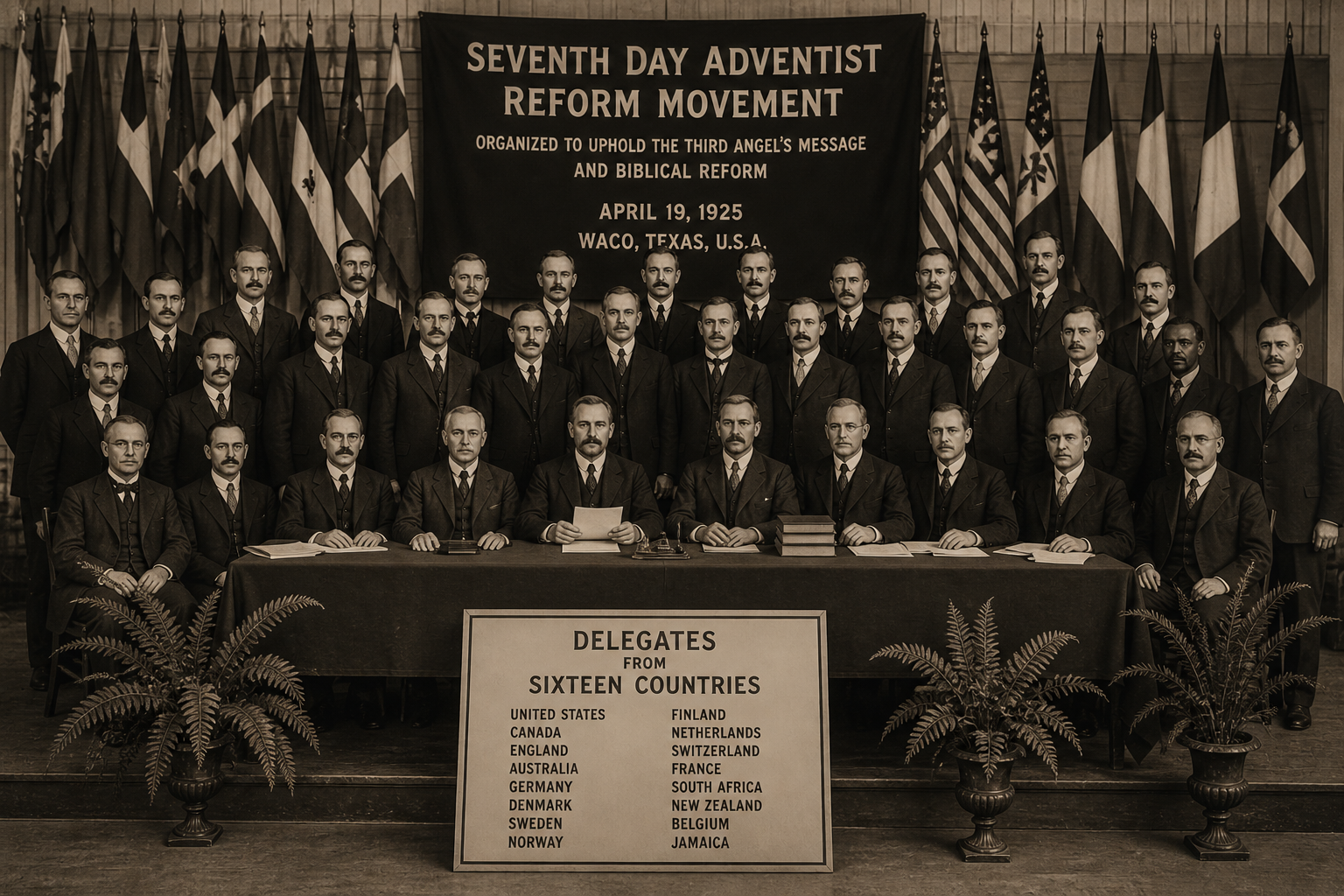
In the historical development of Adventism, a call arose for deeper reformation, repentance, and preparation for the return of Christ. This movement became especially visible in the context of World War I, when many believers faced strong pressure to yield on points considered non-negotiable in the light of conscience and the Word of God.
Many stood firm in defense of God's Law and, as a result, suffered exclusion, persecution, and deep opposition. In 1925, brethren from sixteen countries formally organized the Seventh-day Adventist Reform Movement.
This origin should not be read merely as a denominational episode. It reveals a central conviction: truth and faithfulness cannot be negotiated when conscience before God is at stake.
Our history
Milestone 1 of 5
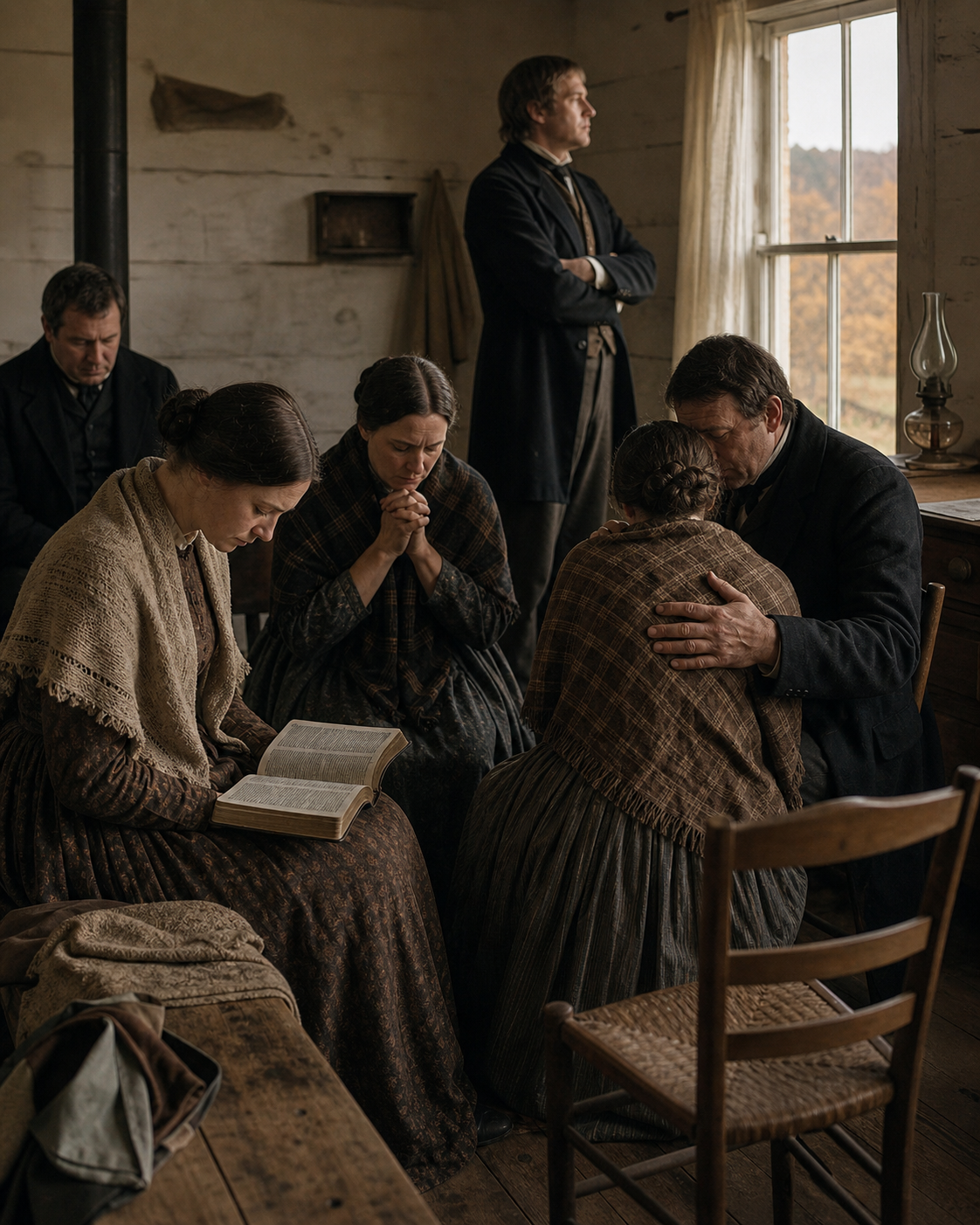
O Movimento Adventista nasce do avivamento milerista e da busca sincera das Escrituras.
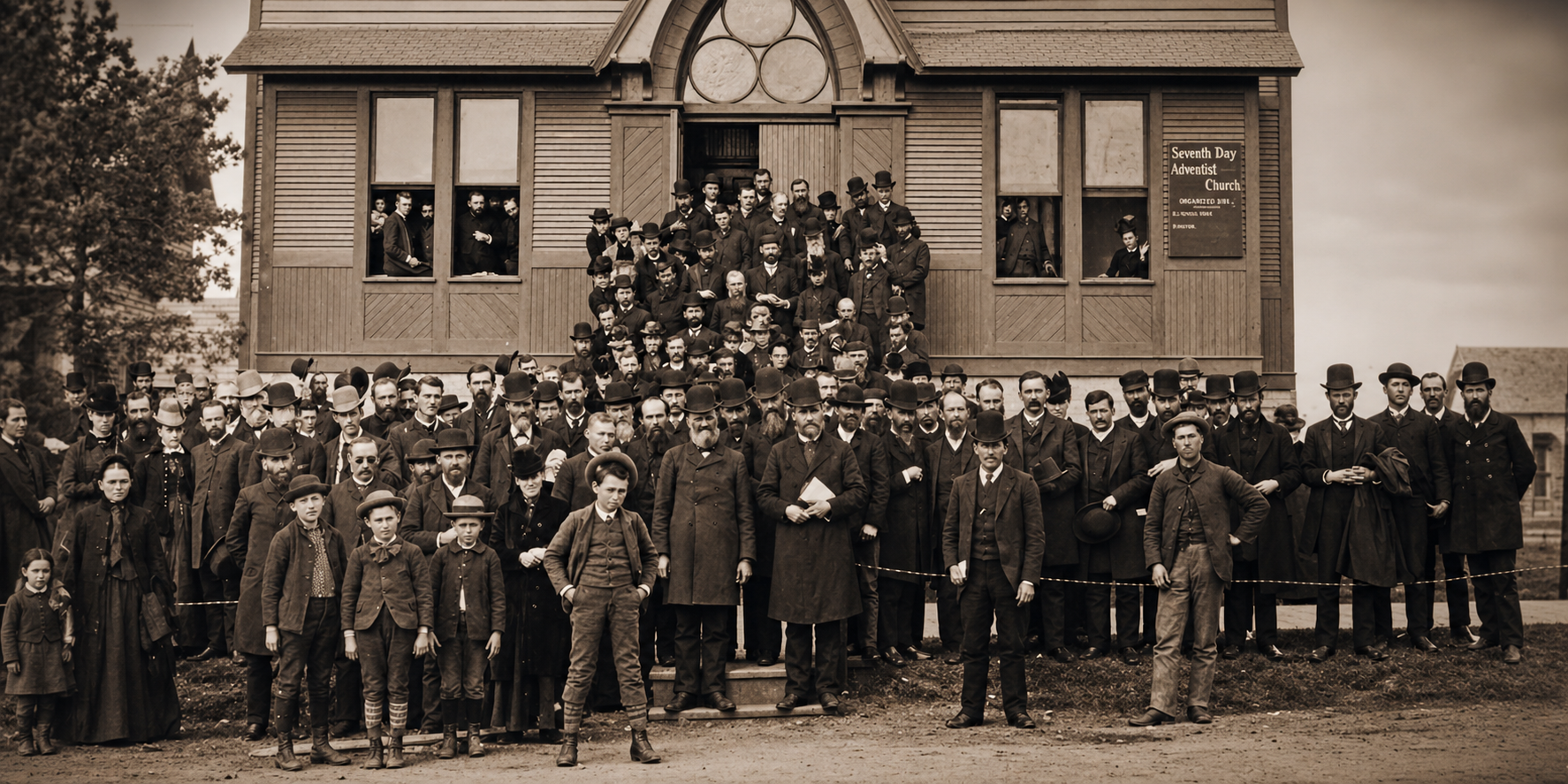
A Igreja Adventista do Sétimo Dia é formalmente organizada nos Estados Unidos.
Em 20 de maio de 1863, 21 delegados reuniram-se em Battle Creek, Michigan, para organizar oficialmente a Associação Geral dos Adventistas do Sétimo Dia, estabelecendo sua primeira constituição e liderança administrativa.
Uma mensagem central de justiça pela fé em Cristo é apresentada em Minneapolis.
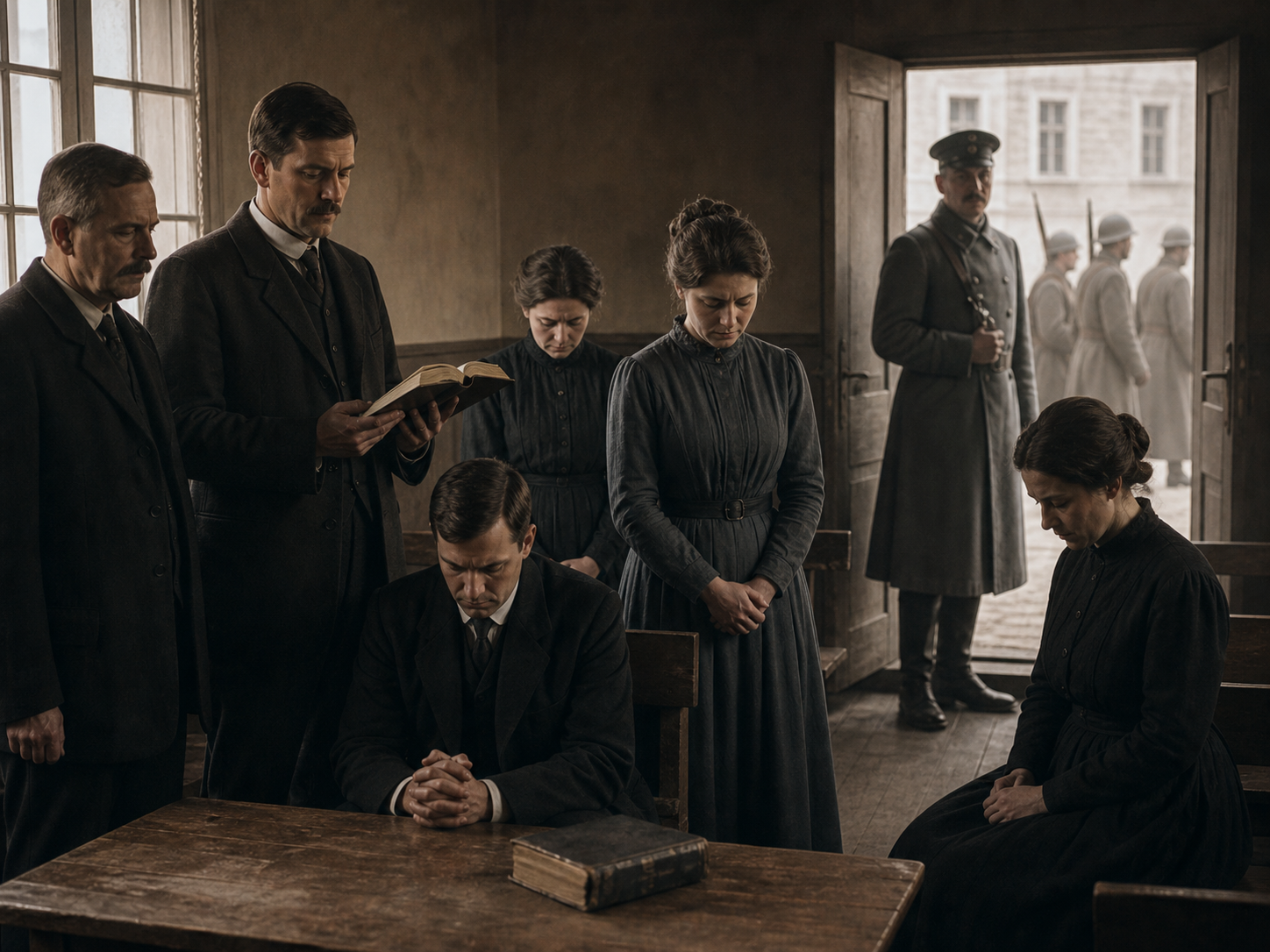
Crentes na Europa recusam-se a abandonar princípios bíblicos sob pressão do conflito mundial.
Em meio ao conflito na Europa, crentes permaneceram firmes na Palavra de Deus, escolhendo a fidelidade aos princípios bíblicos mesmo diante de oposição e risco.
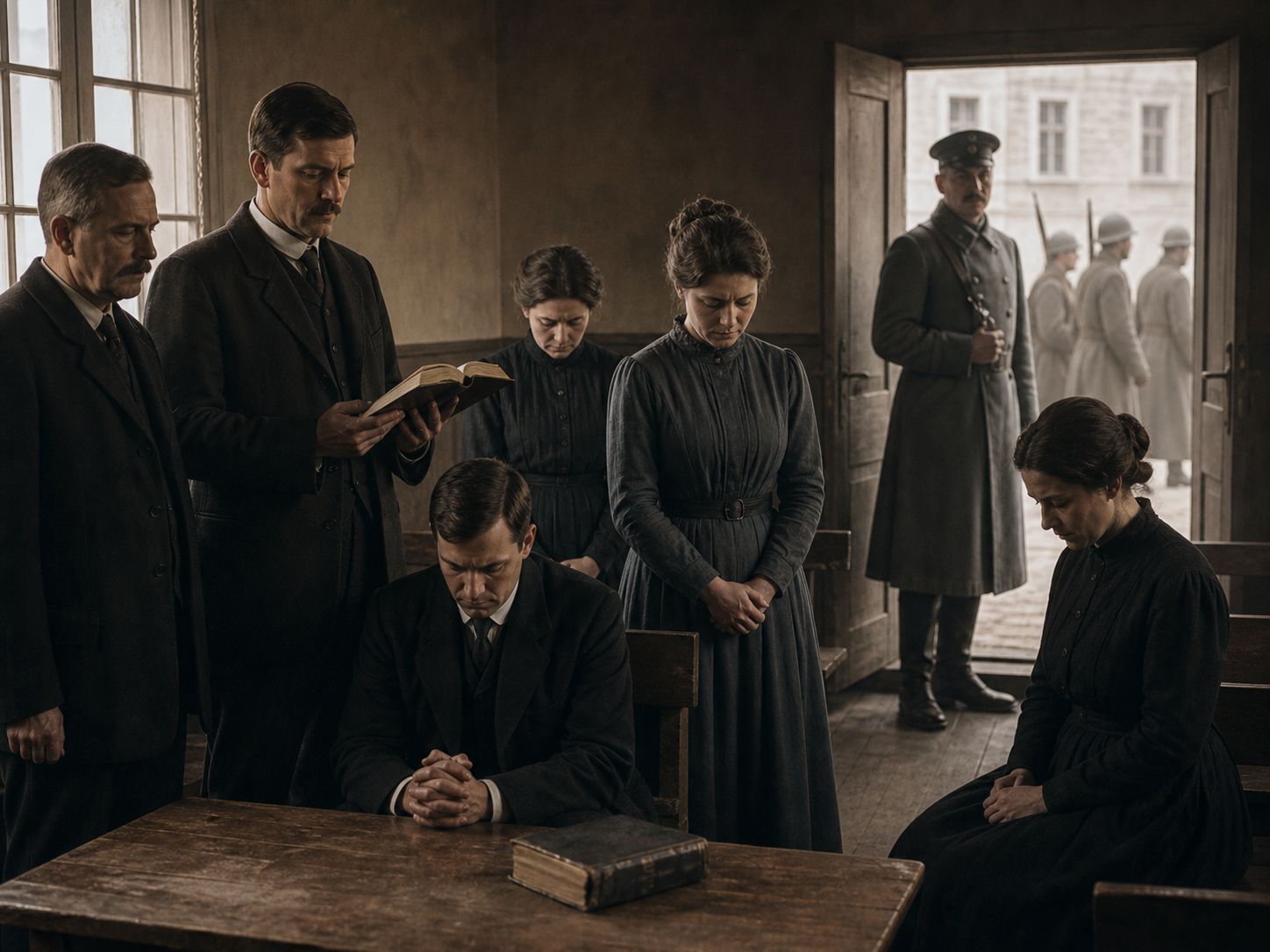
Irmãos de dezesseis países se reúnem e se organizam formalmente como Adventistas do Sétimo Dia Movimento de Reforma.
What sets us apart
The Bible is our only rule of faith and practice — the source of all doctrine, above traditions and human opinions.
We keep the seventh day as a holy day of rest, from Friday sunset to Saturday sunset, without exceptions for convenience.
Mission
We exist to proclaim the everlasting gospel and the three angels' message of Revelation 14, calling men and women to worship the Creator and keep His commandments.
We believe this faithfulness is not a burden but a joy — the path of those who have learned to rest in God and to await, with patience, the coming of their Lord.
"Be also patient; strengthen your hearts."
Revelation 14:12
Here is the perseverance of the saints, those who keep the commandments of God and the faith of Jesus.
Institutional Structure
The life of the church should not be driven by disorderly individualism, but by biblical principles of unity, discipline, service, and mutual care.
The world headquarters responsible for global direction and cooperation, which through Regional Secretariats works alongside the Unions.
Regional headquarters that coordinate work at the national level or across large territories, supporting the Associations.
Coordination of smaller territories or at the state level, supporting the Local Churches.
Faith communities where spiritual life is lived out in practice by their members.
Find a communityIf you wish to better understand our faith, visit a community, or begin a journey of study, there is a next step available.
The body is the temple of the Holy Spirit. We embrace temperance, healthy eating and abstinence from all that harms.
We believe in the sanctity of human life. We serve the nation without taking up arms, following the example of Christ, the Prince of Peace.
We dress and live with modesty and simplicity, reflecting a heart turned toward the eternal, not toward appearance.
We proclaim the soon return of Christ to all peoples, as faithful stewards of the message of hope and salvation.